Suits, Surfboards and Strategy Days: The Rise of Corporate Polzeath

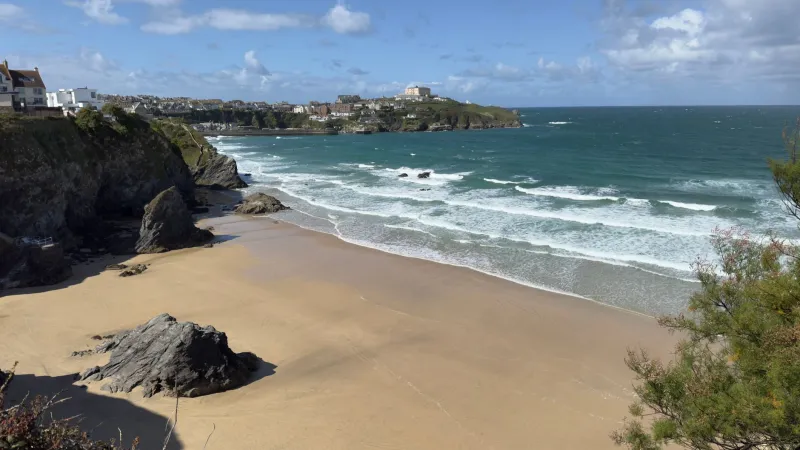
On a Tuesday morning in early October, a group of twelve people in matching rash vests are making their way down the beach path at Polzeath. They're not on holiday — not exactly. They've come from a marketing agency in Bristol, and their afternoon agenda includes a surf lesson, a team debrief on the sand, and dinner at a local restaurant that's been block-booked for the evening. By Thursday, they'll be back at their desks. But for now, they're here, and Polzeath is making the most of it.
This scene is becoming increasingly familiar. Corporate retreats and team-building trips to the village have grown noticeably over the past several years, and local businesses — from surf schools to caterers to accommodation providers — are adapting to serve a market that spends differently, books differently, and needs things that traditional leisure tourists don't.
Why Polzeath Works for Corporate Groups
On the surface, Polzeath might seem like an unlikely corporate destination. It's small. Parking is a perennial headache. There's no conference centre, no hotel with a meeting suite, no business district. And yet, that's arguably the point.
Companies choosing Polzeath for team trips are, almost universally, choosing it because it isn't a conventional venue. The beach is the boardroom. The surf lesson is the icebreaker. The absence of a corporate atmosphere is the atmosphere.
"We get a lot of London and Bristol-based businesses," says Marcus Henley, who runs a surf school that has developed a specific corporate packages strand over the last three years. "They want something that feels genuinely different from a hotel in the Cotswolds with a flip chart and a spa. Polzeath gives people a physical challenge, a shared experience, and something they'll actually talk about when they get back to the office. That's what team-building is supposed to do, and the beach does it naturally."
The typical corporate group, Marcus explains, comes for two to three nights, mixes structured activity with free time, and tends to have a higher per-person spend than a standard leisure visitor. They'll take the surf lesson, book a private dinner, sometimes hire a yoga instructor or a coasteering guide for an additional session. The itinerary is loose but intentional.
What It Means for Local Businesses
The economics of corporate tourism are attractive for Polzeath's small business community, particularly because these groups tend to arrive outside peak summer windows — spring and autumn are the most common seasons for corporate retreats, precisely when the village benefits most from additional footfall.
Local restaurants have quietly adapted. Several now offer group bookings and set menus specifically designed for team dinners, which are often pre-ordered and pre-paid — a logistical relief compared to the unpredictability of walk-in summer trade. Accommodation providers have started thinking about which of their properties work best for groups, prioritising those with large living areas and enough bedrooms to keep a team together under one roof.
"The corporate market has genuinely changed how we think about October and November," says Claire Pascoe, who manages a collection of holiday lets in the area. "Those used to be months where we'd be winding down. Now we're getting group bookings that fill a whole property for three or four nights, mid-week, with a higher nightly rate because they want extras sorted — welcome hampers, early check-in, that kind of thing. It's good business."
The Tension Underneath
Not everyone in Polzeath is entirely comfortable with the direction of travel. The village has a strong identity rooted in surf culture — unpretentious, community-minded, slightly resistant to anything that feels too slick or commercial. Corporate groups, however well-behaved, represent a different energy, and some locals are wary of what happens when that energy becomes a defining feature of the place.
"There's a version of this that works really well," says one long-term resident who asked not to be named. "Small groups, low-key, coming in off-season, spending money locally. That's fine. But if it tips into Polzeath being marketed as a corporate retreat destination — branded, packaged, sold — then you've changed what the place is. And once you've done that, it's hard to undo."
It's a tension that mirrors broader conversations happening across Cornwall's most popular coastal villages: how much commercial development is compatible with the authenticity that made those places attractive in the first place?
Marcus Henley is thoughtful on this. "I always make sure corporate groups understand they're guests in a surf community, not attendees at a branded experience. The beach isn't a venue. It's a beach. I think that framing matters. When people arrive with that attitude, it works. When they arrive expecting a packaged resort, it doesn't."
A New Kind of Regular
What's perhaps most interesting about the corporate retreat trend is what happens afterwards. A significant proportion of people who come to Polzeath on a work trip return independently — sometimes within the same year, sometimes the following summer with families in tow.
The village, it seems, has a conversion rate. Show someone Polzeath once, even in a structured group context, and there's a reasonable chance they'll want to come back on their own terms.
For a destination that's always relied on word of mouth and repeat visits, that's not a bad outcome. The suits might be temporary. The love of the place, for many of them, turns out not to be.