Before the Kettle Boils: Inside Polzeath's 5am Surf Club

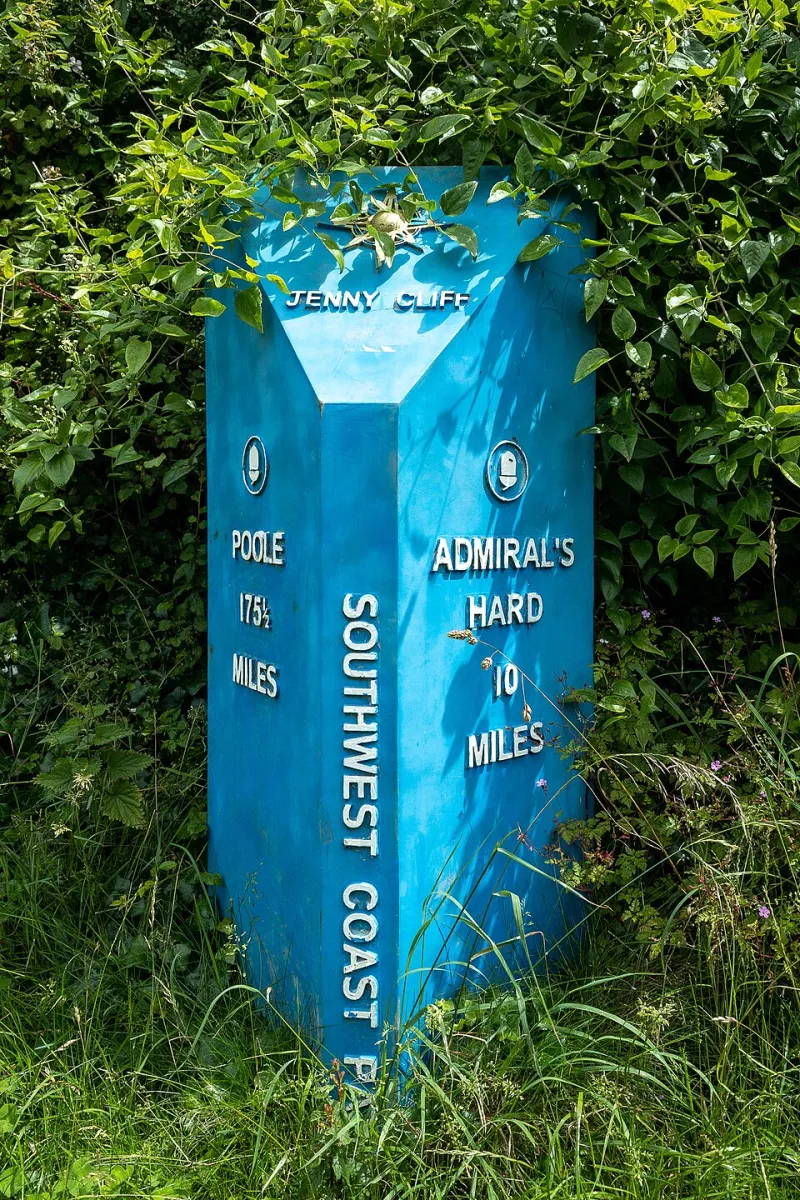
Photo: Zachary Staines antibodies, CC0, via Wikimedia Commons
There's a moment, somewhere around half past five on a clear morning, when Polzeath belongs to nobody. The pay-and-display machines are still blinking their overnight standby. The coffee hut is a shuttered box. The beach, which by midday will be a striped mosaic of towels and windbreaks, is nothing but flat grey sand and the slow breathing of the tide.
And then, out past the break, a head pops up. Another follows. By six, there might be a dozen silhouettes sitting patiently on their boards, facing east, waiting for the sun to clear Stepper Point.
This is dawn patrol — and in Polzeath, it's less a habit than a religion.
Why Bother Getting Up?
Ask anyone who surfs at sunrise why they do it and you'll get a range of answers, but they all circle back to the same few things: the wind hasn't picked up yet, the offshore breeze holds the waves' faces clean and glassy, and there's nobody out.
"In August you can wait forty minutes for a wave at ten in the morning," says Tom, a graphic designer who drives down from Bristol several times a year and schedules his sessions around first light. "At six a.m.? You'll have the peak to yourself and your mate. It's the same ocean. It just behaves better before the world wakes up."
There's something else too, harder to articulate. Watching the sky turn from charcoal to peach behind the dark outline of Stepper Point, while sitting in the relative silence of the Atlantic, does something to people. Regulars describe it half-jokingly as their church. Nobody's laughing, though, when the light hits the water.
The Practical Bit: How Dawn Patrol Actually Works
If you fancy joining the 5am club, a little planning goes a long way.
Parking. The main car park at the top of the beach doesn't fill until mid-morning, so even in peak season you'll rarely struggle before 7am. Pay from the machine when it opens, or check the app options in advance — the last thing you want is a ticket spoiling a perfect session. Some of the residential lanes near the beach have restrictions that kick in early, so read the signs.
Tide windows. Polzeath works on most of the tide, but the sweet spot for many is the mid-to-high period, when the beach break holds its shape best. Check a tide app the night before and work backwards — if high tide is at 7am, you want to be in the water by 5:45. If high tide lands at noon, an early session still works, just aim for the incoming push.
Coffee. This is non-negotiable for most patrollers. Options open at dawn are limited in the off-season, so the savvy move is a flask. In summer, some of the beachfront cafés roll their shutters up early to catch the surf crowd, and a flat white on the sea wall at 7am, hair still dripping, is one of the great simple pleasures of a Cornish summer.
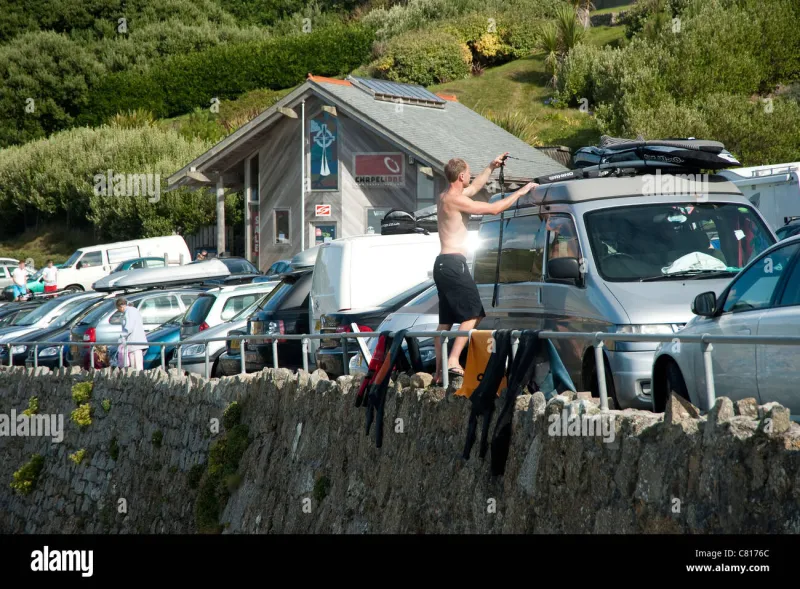
Wetsuit logistics. Nobody wants to wrestle into a cold, damp 4/3mm in the dark. Patrollers have tricks: leave your wetsuit half-open inside-out overnight, bring a big flask of hot water for a post-surf rinse, and invest in a changing robe. The modesty is nice; the warmth is the real selling point.
Who's Out There?
The dawn crew is a mixed bunch. There are the retirees, who've earned the right to surf whenever they like and have chosen this. There are the working parents, for whom 6am is the only hour that belongs to them. There are the visitors who set alarms for a week straight and spend the rest of the year chasing the feeling.
"It resets you," says Sarah, a regular who splits her time between London and a cottage near Trebetherick. "Whatever the day throws at you after that, you've already had the best part of it."
There's an unspoken etiquette, too. Greet people with a nod, not a speech — it's early. Don't snake the one regular who's been sitting on the peak since it was still dark. And if someone's walking down to the water alone, give them their quiet. That's rather the point.
When to Try It
Summer offers the gentlest introduction: sunrise around 5:30 in June, warm air, forgiving water. But the connoisseurs will tell you autumn is when dawn patrol truly sings — September and October bring the first proper swells, warmer sea than you'd expect, and mornings when offshore wind and clean lines line up almost suspiciously often.
Winter dawn patrol is a different animal entirely. It requires a thick hooded wetsuit, boots, gloves, a hot drink in a thermos, and a certain stubbornness. It also delivers the empty, glowing, unforgettable sessions that keep people coming back year after year.
One Last Tip
Don't overthink it. The barrier to entry is an alarm, a board and a bit of nerve. Even if the waves are mediocre — and some mornings they will be — you'll have watched the sun come up over Stepper Point from the water, and the village will still be asleep when you walk back up the sand.
That's the trade. It's a good one.