Laptop, Leash, and a Good Signal: How Polzeath Quietly Became Cornwall's Remote Work Capital

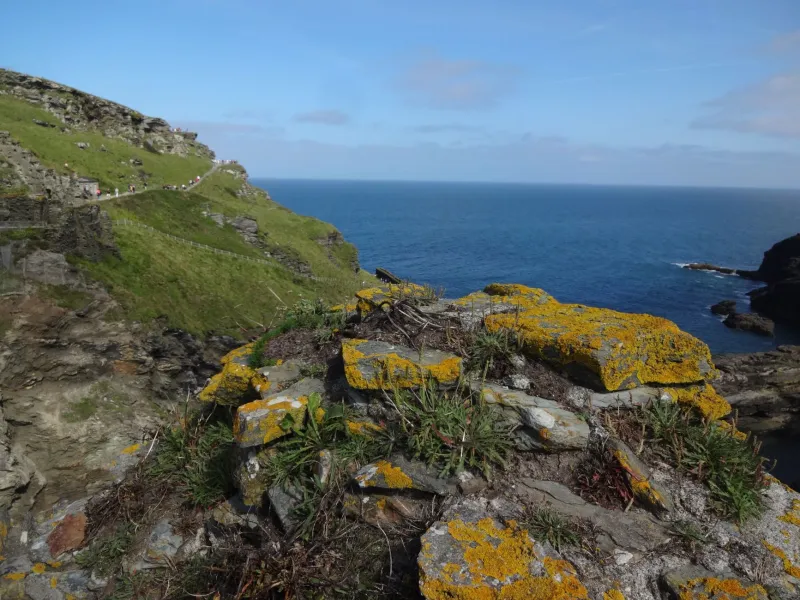
Photo: Shixart1985, CC BY 2.0, via Wikimedia Commons
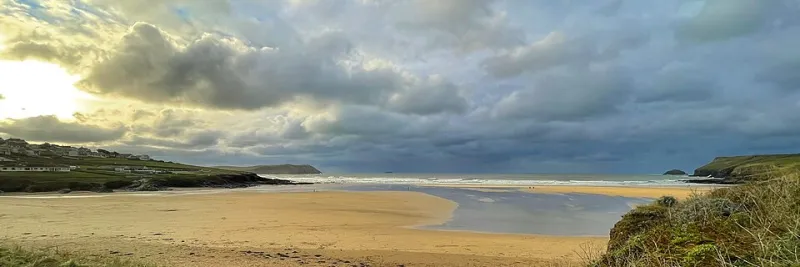
There's a particular kind of morning in Polzeath that's hard to explain until you've lived it. You wake up, pull back the curtains, and the Atlantic is doing something extraordinary — all silver light and rolling sets. By 7am you're in the water. By 9am you're dry, caffeinated, and logged into a Zoom call. By lunchtime, you're wondering why you ever lived in a city.
This isn't a fantasy. For a growing number of remote workers, it's just a Tuesday.
Polzeath has spent decades earning its reputation as one of Britain's most-loved surf destinations. But quietly, without much fanfare, it's become something else too: a genuine base for people who work remotely and have decided that life is too short to do it from a flat in Zone 3.
The Shift Nobody Officially Announced
Ask anyone in the village when things started to change and most will point to the pandemic, though the seeds were planted earlier. When remote working became the norm rather than the exception for large chunks of the British workforce, a certain type of person started asking a fairly obvious question: if I can work from anywhere, why am I working from here?
Polzeath had an answer ready, even if it hadn't rehearsed it.
Broadband infrastructure across North Cornwall improved significantly through the late 2010s, and by the time the world went remote, Polzeath and the surrounding area had reliable enough connectivity to make it viable. Not perfect — locals will be the first to tell you that — but workable. And when you're staring at a surf break between calls, workable feels like more than enough.
Sarah, who runs a small brand consultancy and relocated from Bristol in 2021, puts it plainly. "I did the maths. My rent in Bristol versus renting a cottage here for the same money. The cottage won. I just needed to know the WiFi could handle video calls and a few large file uploads. It could. That was enough."
Where the Work Actually Gets Done
It's not all kitchen tables and laptop-on-lap arrangements. Polzeath and the nearby villages have quietly developed a loose ecosystem of places where remote workers congregate during the week.
A handful of cafes have effectively become informal co-working spaces, with owners who've quietly upgraded their routers and stopped side-eyeing anyone who nurses a flat white for three hours while typing furiously. The understanding is mutual: keep ordering, keep the noise down, and the table is yours until the lunchtime rush.
Some accommodation providers have started to cater explicitly for longer stays, offering weekly and monthly rates with proper desks, faster broadband, and the kind of practical setup that a weekend holidaymaker doesn't need but a working resident absolutely does. It's a modest shift, but a telling one.
There are also more formal options emerging. A co-working space in nearby Wadebridge has become a regular haunt for Polzeath-based workers who need a proper desk and a bit of professional separation between home and office. The commute — a short drive through some of the most beautiful countryside in Britain — is not something anyone complains about.
The Surf-Work Balance (It's Real)
Ask any digital nomad in Polzeath what drew them here and the answer is almost always some version of the same thing: the surf.
This isn't incidental. The ability to paddle out before the working day starts, or to catch a session during a natural break in the afternoon, is a quality-of-life upgrade that's genuinely hard to quantify. People talk about it with the slightly evangelical energy of the recently converted.
Jamie, a software developer who's been based in Polzeath for just over two years, describes it as resetting his entire relationship with work. "I used to work longer hours because there was nothing else to do in the evenings. Here, I actually stop. I go surfing. I go for walks. I sleep properly. And weirdly, I think my work is better for it."
There's something in the rhythm of a surf town that suits the remote working lifestyle. The village operates on its own timetable — tides, weather, seasons — and that natural cadence seems to filter through into how people structure their days.
What It Means for the Village
The arrival of a year-round remote working population isn't without its complications. Polzeath has been wrestling with housing pressures for years, with second homes and holiday lets pushing up prices and hollowing out the permanent community. Remote workers — who often want to rent long-term rather than buy — add another layer to an already complex picture.
Some locals welcome the change. A village that has residents in it during October and February, who spend money in local shops and actually get to know their neighbours, feels healthier than one that empties out after August bank holiday. Businesses that once braced for a dead winter season are finding more consistent trade.
Others are more cautious. The worry is that remote workers, however well-intentioned, drive up rental prices by competing for the same limited long-term stock that local families need. It's a tension that Polzeath hasn't fully resolved, and probably won't any time soon.
What's clear is that the village is changing in ways that go beyond the usual tourist cycle. The people arriving now aren't just passing through. They're showing up with standing desks and six-month tenancy agreements.
The Community That's Forming Around It
One unexpected side effect of the remote work influx is that it's generating a new kind of community. People who arrived independently, not knowing anyone, have found each other — in the surf, in the cafes, at the pub on a Wednesday evening when the tourists aren't around.
There's an informal network of remote workers in and around Polzeath now. They share information about accommodation, recommend reliable tradespeople, and occasionally collaborate on work. It has the loose, self-organising energy of a community that nobody planned but everyone seems glad exists.
Sarah, the brand consultant from Bristol, sums it up well. "I came here thinking I'd try it for a few months and see. That was three years ago. I've made proper friends, I know the village, I know the tides. I'm not a tourist anymore. I'm just someone who lives here and happens to work remotely."
So, Could You Do It?
If you've been turning this idea over in your head — working remotely from somewhere that doesn't make you miserable on a Monday morning — Polzeath is worth serious consideration. It's not a utopia. The broadband has bad days. The winters are wet. Housing is tight and prices have climbed.
But the surf is consistent, the community is real, and there's something about waking up to that view every morning that makes the compromises feel very manageable indeed.
The laptop-and-leash life isn't for everyone. But for a certain kind of person, in a certain kind of village, it turns out it fits rather well.